
Supporting Young People in Central America through Narrative Practices
April 8, 2026
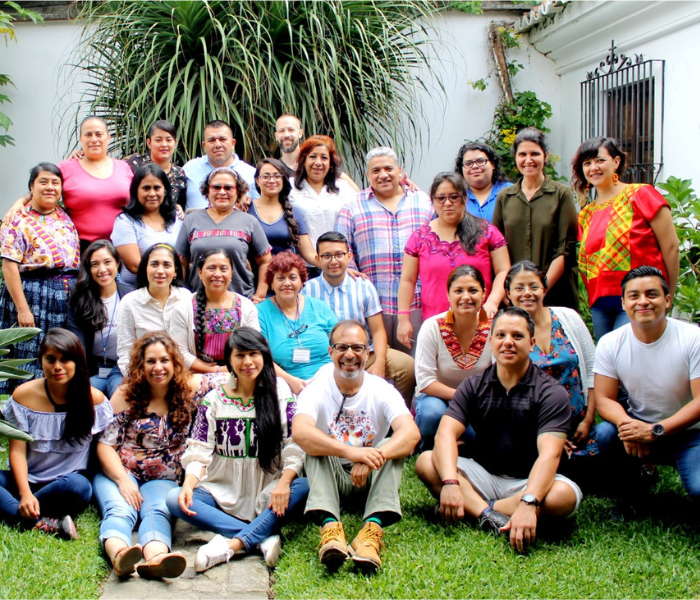
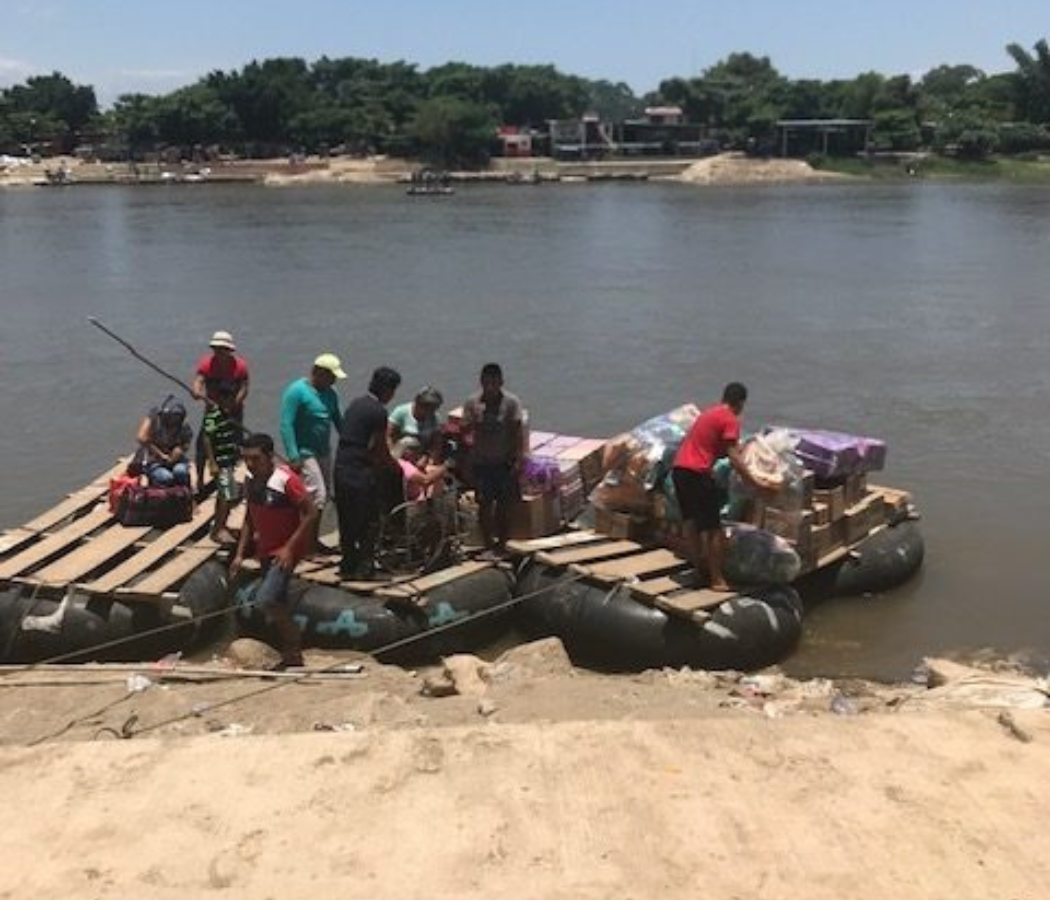
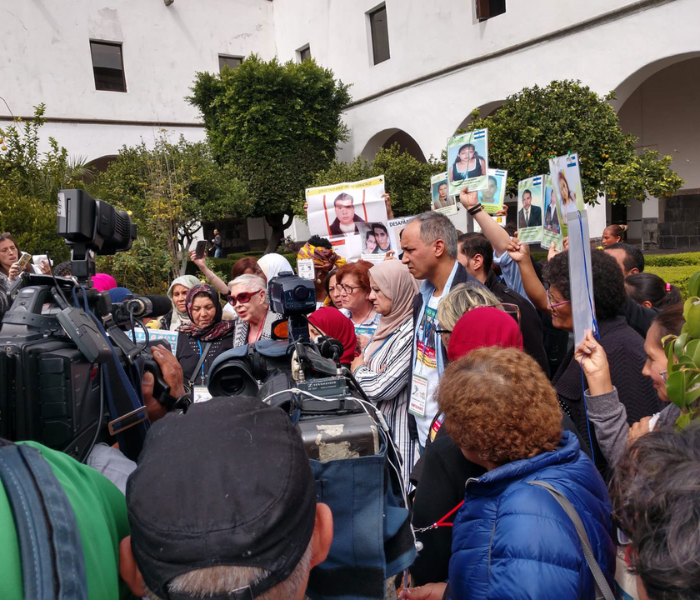
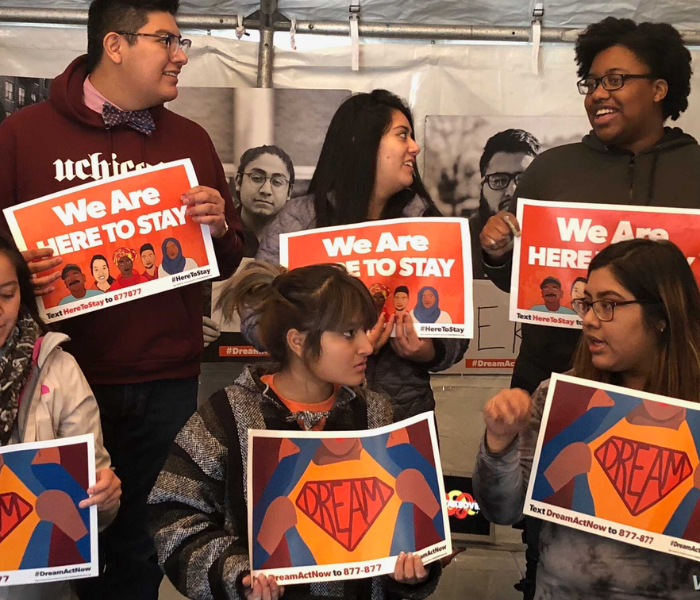
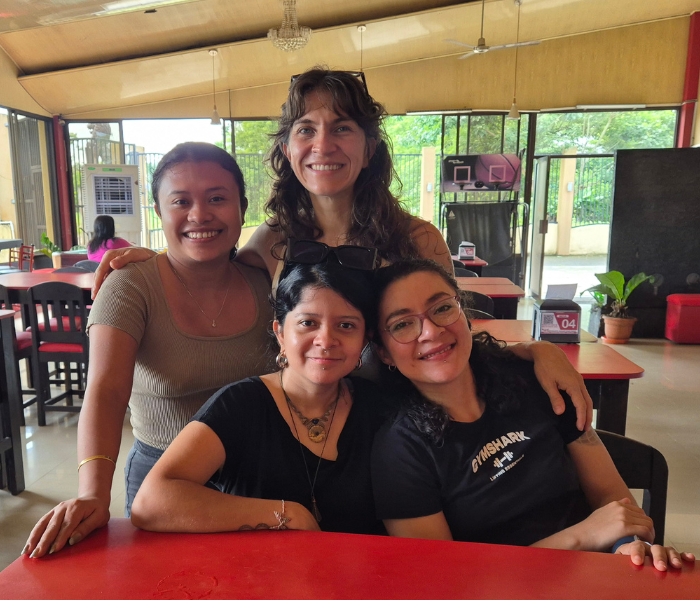
In the Social Justice Portfolio of the CAMY Fund, we support the work of organized youth in Central America through narrative practices that highlight their journeys and challenge dominant discourses.
By Melissa Zamora Monge
My experience as a program officer at the Central America Youth Fund (CAMY Fund) has taught me that to accompany is to walk alongside. It is the act of being present in a moment or circumstance where others are the focus. It means being there to offer support and respond to unforeseen needs, with a willingness to understand the reality in which that circumstance unfolds. It is a practice of active listening rooted in patience, admiration, and curiosity.
There is a profound sense of community in accompaniment. To accompany is to affirm that no individual or organization should have to do it all alone. It is a declaration that what they experience and build matters to those of us walking beside them.
Guided by this understanding, within the Social Justice Portfolio, we provide accompaniment to strengthen the sustainability of organizations led by young feminist, Afro-descendant, Indigenous, LGBTIQ+, and migrant activists in Costa Rica, Honduras, Guatemala, and El Salvador. In turn, these organizations accompany their communities against systems of oppression and discrimination. They accompany others, and we accompany them.
We create spaces for knowledge exchange and collaboration. We support them in telling the stories of their work and engaging in strategic dialogues that amplify their agendas in favor of equality and the recognition of diverse identities.
If I had to think of an object that represents what it means to accompany, I would picture a handwoven bag, brightly colored, the kind we use to go to the market. It’s something you carry with you, practical and familiar. Inside, you place what you need because its purpose is to sustain. It has no rigid shape: if what it carries is heavy, the bag stretches; if it’s light, it shrinks.
Our accompanying approach is like that bag. It doesn’t impose a structure; instead, it adapts to the needs of the organizations we serve. It is a resilient weave made up of many threads. If one thread is pulled too tight, the others help distribute the weight. To accompany is to build a safety net so that what we place in the bag doesn’t spill onto the ground. Of course, like any bag, accompaniment has limits. Even if it can’t hold everything, it can still help make the load easier to bear.
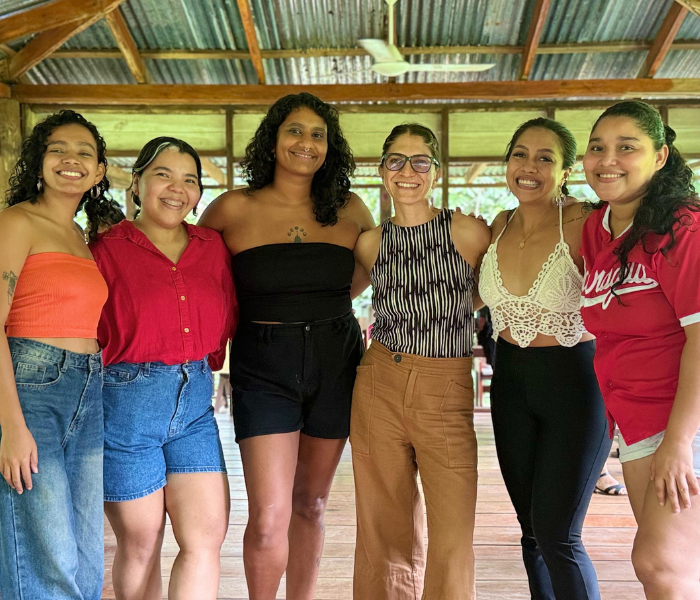
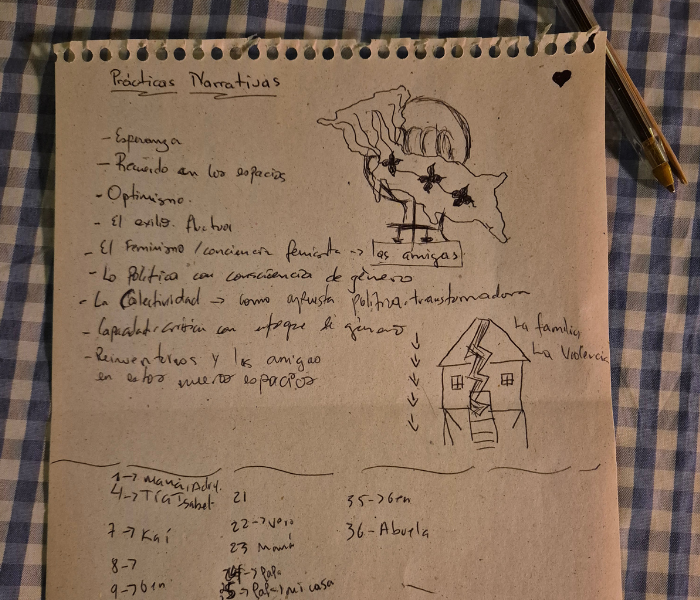
In recent months, narrative practices have become one of the ways in which accompaniment has taken shape for me. This approach, developed by Michael White and David Epston, the creators of narrative therapy, is used to accompany people in community, organizational, or therapeutic settings. It suggests that our identities are composed of multiple stories, never just one, and that dominant discourses often overshadow the stories of resistance and hope that are equally part of who we are.
This approach also holds, among other things, that individuals, groups, and communities are the experts in their own lives. With these premises, narrative practices provide a framework for actions I was already taking: listening, asking questions, documenting, and connecting. They also allow me to open conversations in spaces of trust, where organizations share stories that recognize their own skills and the interconnections that sustain their work.
The stories these organizations have been weaving, facilitated by our support but told in their own words, validate their growth, adaptability, and creativity. Through these stories, they name the reciprocal relationships that strengthen them, as well as the perspectives that nourish their present and shape their visions for the future.
Leaning into narrative practices as a way of accompanying has allowed me to link one story to another, and then to many more, until interconnection and collaboration emerge as a common thread. In them, I see a constellation of stories that challenge dominant narratives of individualism. They remind me of another core principle of narrative practices: that identity is a collective event.
A few days ago, I heard someone say, “We cannot allow oppression to write the only story nor allow it to have the final word.” I would add, “Oppression and authoritarianism.” Because sharing stories about what we do has the power to mobilize us, echoing our commitment to human rights and equality in Central America.
My hope is that we continue to tell stories about how we build ourselves through commonality and collaboration. It is precisely in this walking alongside one another that accompaniment stops being just a word and becomes a daily practice of transformation, one that I am still learning to inhabit.